
Crypto Market News
When the “Never Sell” Investor Sold: What Strategy's Bitcoin Move Teaches Us
For the first time in four years, Michael Saylor's Strategy sold Bitcoin — just 32 BTC, but enough to shake a narrative built on the word “never.” Days later, spot Bitcoin ETFs logged their largest outflow streak on record. Two events, one lesson: what it really means when an institution that said “we never sell” sells — and how to read that signal without panicking.
What Happened in 30 Seconds
- Strategy sold 32 BTC (~$2.5M) between May 26-31 — its first sale since 2022.
- The purpose was to cover a dividend on its STRC preferred stock, not a strategy shift.
- The sale is 0.0038% of its holdings — numerically negligible.
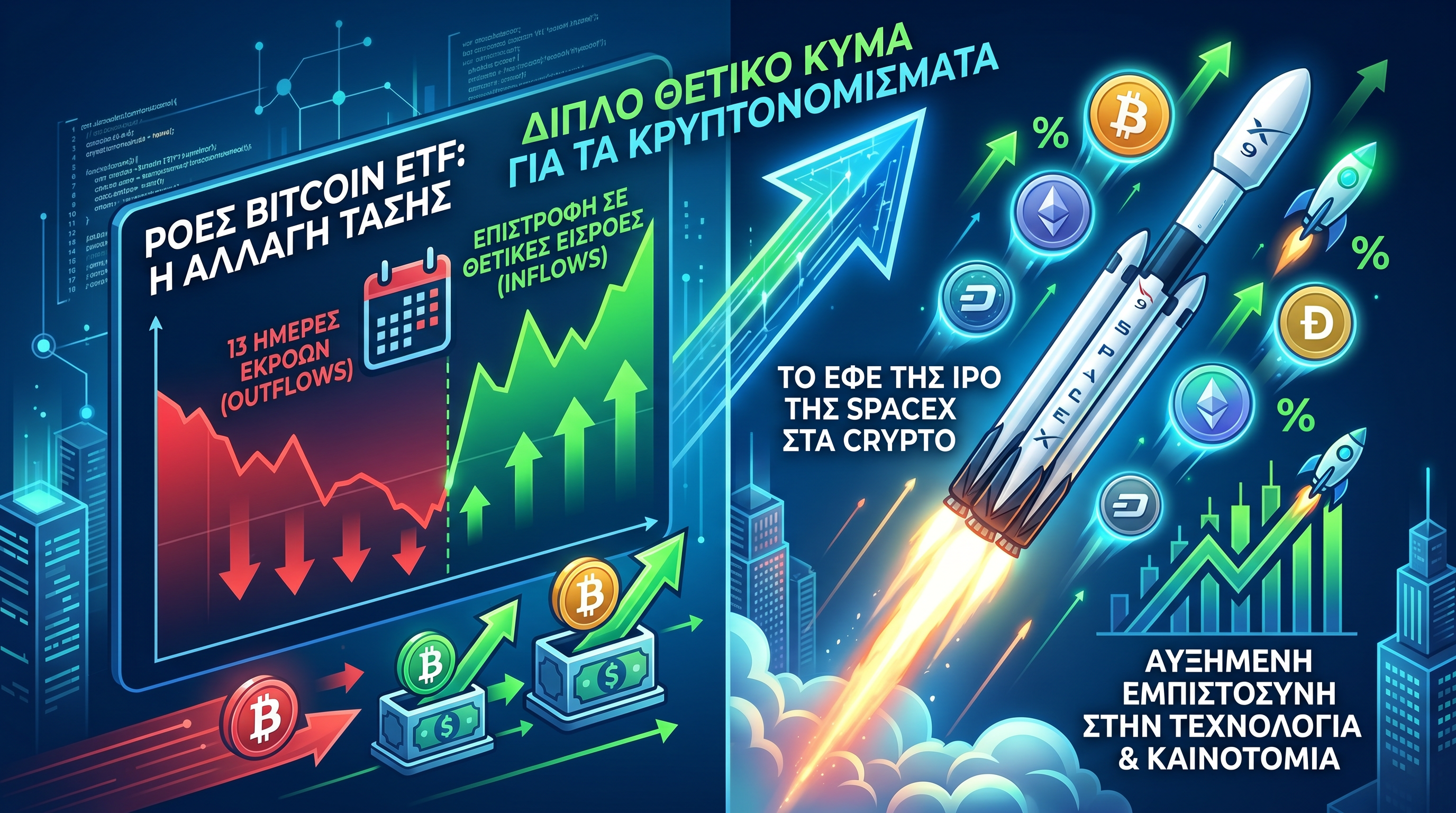
- Yet it was followed by a record 13-day, $4.4B outflow streak from Bitcoin ETFs.
- Saylor publicly responded at BTC Prague: “never sell” was advice for individuals, not corporate treasury management.
- The signal matters more than the size — the market reacted to the symbolism, not the dollar amount.

1) What Exactly Happened
On June 1, Strategy (formerly MicroStrategy) disclosed in an 8-K filing that it sold 32 Bitcoin between May 26 and May 31 at an average price of $77,135 per coin, totaling roughly $2.5 million. It was the company's first recorded net Bitcoin sale since December 2022. The company still holds more than 843,700 BTC, so the sale represents about 0.0038% of its holdings — an amount that, on its own, changes nothing about the bigger picture.
2) Why a Tiny Number Became a Big Story
The reason isn't the amount — it's who did it. Michael Saylor built Strategy's entire identity on the idea that a company could buy Bitcoin indefinitely and never sell, becoming the best-known “leveraged proxy” for investors who wanted BTC exposure without holding it directly. When a company built on the word “never” sells even a fraction of its position, the symbolic weight far outweighs the financial size. The sale's purpose was to cover the dividend on its STRC preferred stock (known as “Stretch”) — standard corporate liquidity management, not a market call.
3) The Market Reaction: Record ETF Outflows
Days later, spot Bitcoin ETFs recorded 13 consecutive days of outflows (May 15 – June 3), totaling $4.4 billion — the longest such streak since launching in 2024. Bitcoin fell intraday to $65,710 on June 3, down more than 6% in 24 hours, alongside roughly $1.8 billion in forced liquidations, the largest since February. Analysts attributed the timing to a combination of macro factors (a hawkish Fed, rate-cut expectations pushed into 2027) and institutional profit-taking — with Strategy's sale acting as a trigger on top of already-fragile sentiment.
4) How Saylor Responded
On June 11, at BTC Prague 2026, Saylor addressed the issue head-on. He said the advice to “never sell your Bitcoin” was aimed at individual investors, not corporate treasury management — and that it would be reckless for a company to rule out selling under any circumstances regardless of obligations. In his view, the sale was normal treasury management, not a shift in stance on Bitcoin's long-term value, and its size ($2.5M against a ~$60B position) supports that reading.
The Practical Takeaway
Regardless of who's right about the interpretation, the story carries a useful risk-management lesson: the market doesn't just react to numbers — it reacts to signals and narratives. An objectively negligible sale was enough to “open the door” to a wave of profit-taking that was already lurking. The same can happen at the altcoin level: when a “loyal” institutional holder or a large wallet changes behavior — even slightly — it's worth noticing, regardless of how small the amount looks.
6) What to Watch in the Coming Days
Bitcoin ETFs broke their outflow record on June 5 with a small net inflow ($3.05M), but the following week (through June 6) brought renewed outflows of $1.72B — the largest weekly outflow since February 2025, marking a fourth straight week of negative flows totaling $5.4B. Meanwhile, Ethereum ETFs ended their own 17-day outflow streak with a small inflow, driven mainly by BlackRock's ETHA.
The next major event on the calendar is the Fed meeting on June 16-17: no rate change is expected, but the market will scrutinize any shift in tone in the forward guidance. As long as Bitcoin trades near the $60,000-$65,000 support zone, ETF flows and Fed commentary will remain the two most important sentiment “thermometers” for the whole market — not just BTC.
If you want a practical framework for reading these kinds of signals and deciding when to reduce risk, check out the Altcoin Exit Checklist — several of the same signs (sentiment shift, liquidity & volume) showed up here too.
Frequently Asked Questions (FAQ)
Did Strategy actually sell its Bitcoin?
Yes, but we're talking about 32 BTC out of 843,706 total — about 0.0038% of its holdings. The company remains the world's largest corporate holder of Bitcoin. This wasn't an “exit” — it was a targeted sale that covered a dividend obligation.
Why did the market react so strongly to such a small amount?
Because it broke a narrative, not a balance sheet. Strategy had been the textbook example of a company that “never sells” Bitcoin for years. When that stopped being literally true, many traders read it as a sentiment-shift signal, regardless of the sale's actual size.
Is the ETF outflow streak related to Strategy's sale?
The sale coincided with an outflow streak that was already underway, driven mainly by macro factors (a hawkish Fed, delayed rate-cut expectations) and institutional profit-taking. It acted more as a catalyst on top of fragile sentiment than as a standalone cause.
What did Saylor say to defend the move?
At BTC Prague (June 11) he said the “never sell” advice was aimed at individual investors, while the corporate sale was normal liquidity management to cover a dividend obligation — not a change in long-term stance on Bitcoin.
What does this mean for someone holding altcoins?
The lesson is that markets react to behavioral signals, not just numbers. When a “loyal” institutional player or a large wallet changes its stance — even slightly — it's worth adding to your risk-management radar, regardless of how small the amount looks.